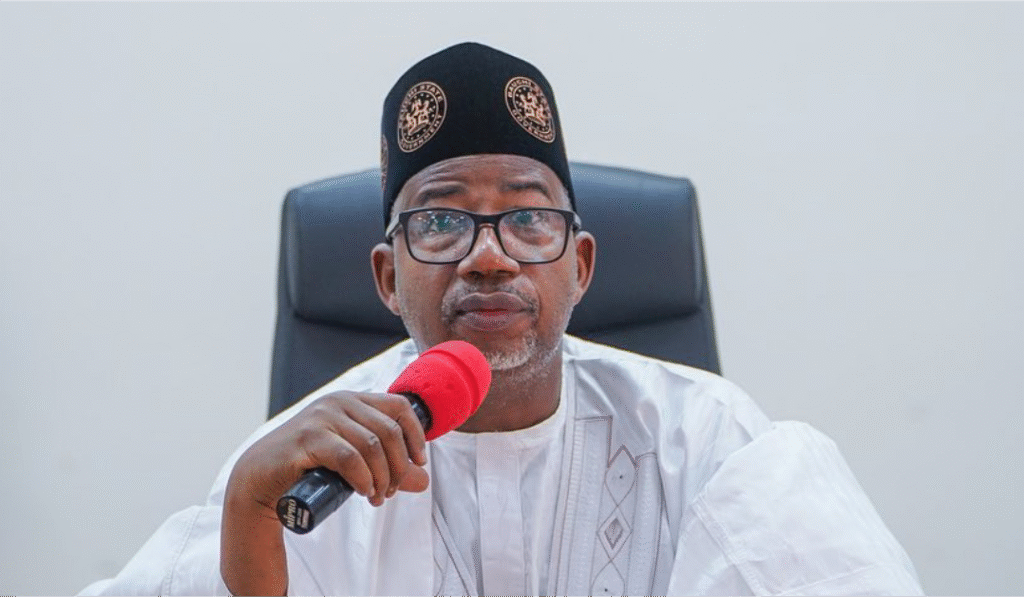



Bauchi State Executive Council approves 100% salary hike for medical staff, adds rural allowances and loans to retain talent and serve remote communities.
Governor Bala Mohammed’s administration took bold action on Saturday to revitalize the state’s struggling health sector.
The Bauchi State Executive Council greenlit a massive 100% salary increase for all medical doctors and healthcare workers, alongside new rural posting allowances designed to draw professionals to underserved areas.
Health Commissioner Dr. Muhammad Sani Dambam announced the decision after an extraordinary council meeting presided over by Governor Mohammed.
He described the package as “one of the most significant welfare initiatives ever for Bauchi’s health sector,” aimed squarely at curbing the exodus of skilled personnel abroad and to urban centers.
Dambam emphasized that the salary review doubles existing pay scales, while special allowances target workers posted outside local government headquarters and in hard-to-reach villages.
The council also cleared outstanding promotions for over 2,000 staff members and opened access to low-interest car and housing loans.
These measures directly tackle Nigeria’s nationwide healthcare crisis, where rural facilities often operate with severe staff shortages.
Many doctors flee for better opportunities overseas—a phenomenon known as “japa”—leaving vulnerable populations without essential services.
The incentives extend to primary healthcare staff under the State Primary Healthcare Development Board, ending previous disparities in benefits. Additionally, the government plans to roll out biometric attendance systems across facilities to ensure accountability and efficiency.
Governor Mohammed has long prioritized health reforms, previously declaring a state of emergency in the sector and investing in infrastructure upgrades.
This latest move builds on those efforts, positioning Bauchi as a potential model for other states grappling with similar challenges.
Health experts and workers’ unions have welcomed the announcement, calling it a game-changer for morale and service delivery.
As implementation begins, residents in remote communities stand to gain the most from a stronger, more motivated healthcare workforce.