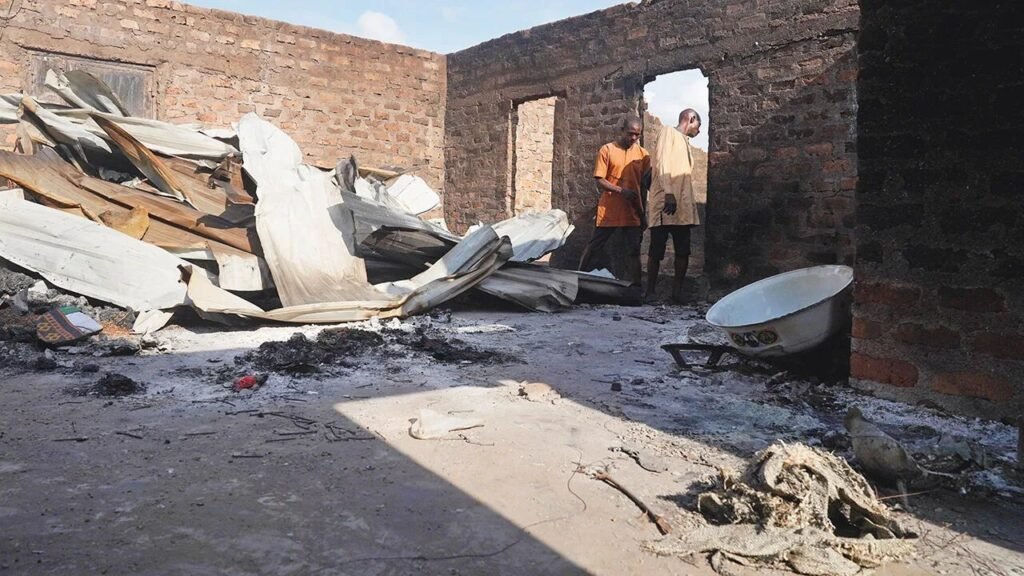

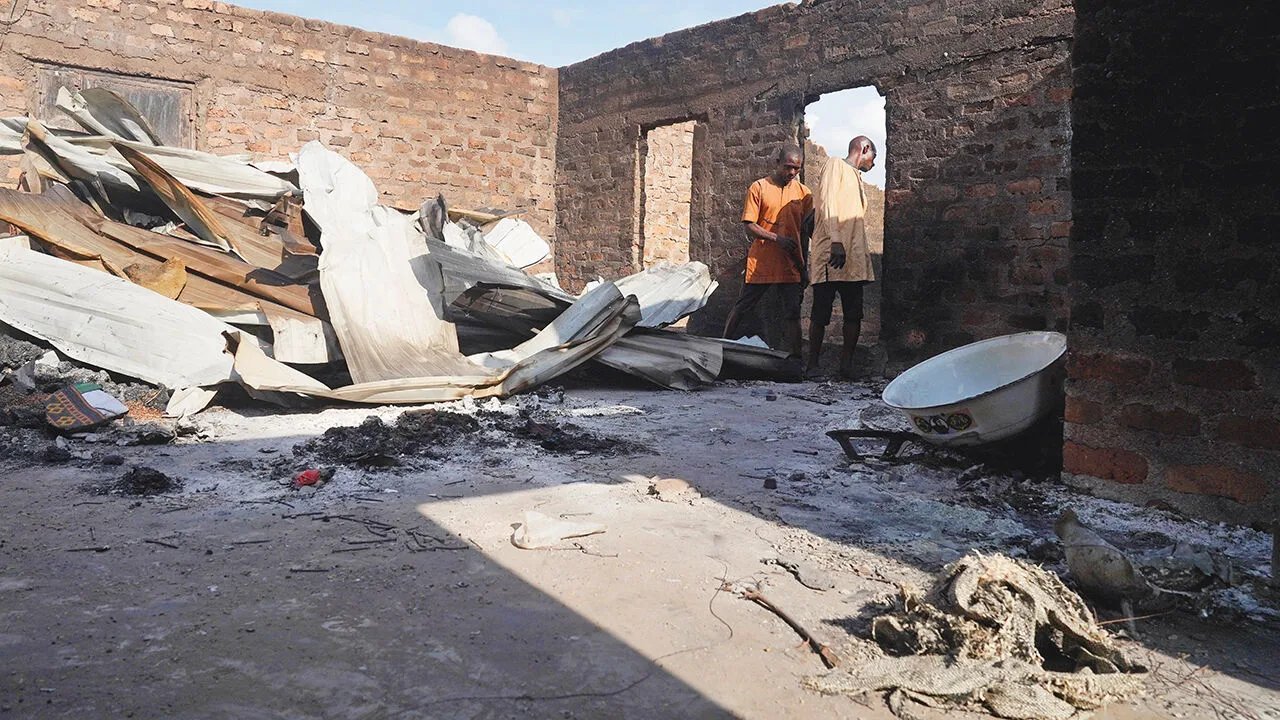

Anti-genocide activist Barr. Franc Utoo sharply criticizes the Nigerian government for refusing to pursue the true leaders of the devastating June 2025 attack on Yelwata village in Benue State, even as federal prosecutors recently charged nine suspects with terrorism-related offenses.
Utoo, a native of Yelwata now based in the United States, asserts that authorities identify Fulani fighters—led by figures such as Babaji and Seriki Samari—as the primary perpetrators.
He claims powerful political and traditional figures protect these individuals, which explains the government’s reluctance to act decisively.
This protection, he argues, perpetuates a cycle of impunity amid escalating violence in Nigeria’s Middle Belt.
Terrorists launched the assault on the night of June 13 into June 14, 2025, in Yelwata, located in Guma Local Government Area.
Attackers stormed homes, set houses ablaze, and killed residents as they slept.
Estimates of the death toll range from around 150 (per official figures and Reuters reports) to over 200 (according to community leaders, survivors, and groups like Genocide Watch).
The majority of victims belonged to Christian farming communities, including many internally displaced persons sheltered at a local Catholic mission.
The raid displaced more than 3,000 people from Yelwata alone and contributed to broader humanitarian strain across Benue, where over 500,000 remain internally displaced due to repeated attacks.
Pope Leo XIV publicly condemned the violence during his Sunday Angelus, describing it as a “terrible massacre” and calling for security, justice, and peace for rural Christian communities in Benue.
Amnesty International highlighted dire conditions in displacement camps—shortages of water, inadequate sanitation, limited food, and poor healthcare—warning of an impending humanitarian catastrophe, with children and pregnant women facing the greatest risks.
On February 2, 2026, the Federal High Court in Abuja arraigned nine men on 57 amended terrorism counts.
Prosecutors, led by Attorney-General Lateef Fagbemi, accuse the defendants—including Ardo Lawal Mohammed Dono as alleged ringleader—of conspiring for months, raising funds, procuring weapons, and mobilizing fighters across states before executing the June 13 raid.
The suspects pleaded not guilty; the court remanded them to Kuje Correctional Facility pending trial.
Utoo dismisses these arrests as inadequate and selective.
He points to survivor accounts and reports suggesting dozens—possibly over 100—attackers participated, yet authorities target only a handful.
Community voices on social media echo this frustration, questioning why the government fails to apprehend higher-level commanders or address alleged complicity within security forces.
This incident fits into longstanding farmer-herder conflicts in Nigeria’s Middle Belt, where disputes over land and resources frequently escalate into deadly clashes with religious and ethnic undertones.
Despite President Bola Tinubu’s directives to security chiefs to halt the killings and arrest perpetrators following the attack, violence persists in the region.
Utoo continues advocating internationally, including testimony before U.S. audiences, to highlight what he describes as targeted persecution of Christians.
Survivors and activists demand fuller accountability, broader arrests, and concrete measures to protect vulnerable communities from future assaults.
As the trial proceeds, the Yelwata massacre underscores Nigeria’s urgent need to confront root causes of rural violence and deliver justice to grieving families.