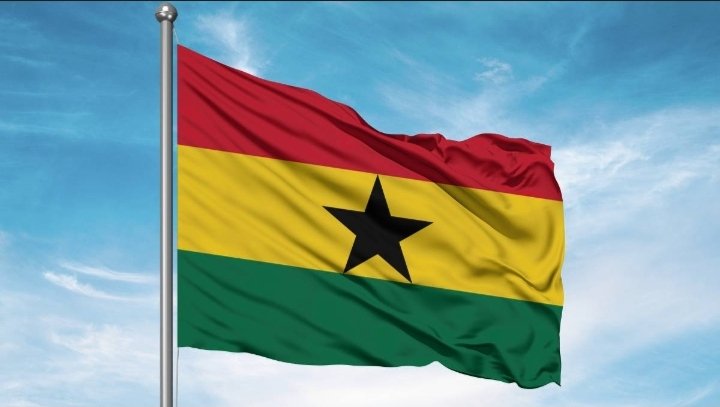


Ghana’s Foreign Affairs Minister Samuel Okudzeto Ablakwa disclosed Friday that at least 55 Ghanaian citizens have lost their lives fighting for Russia in the war against Ukraine, victims of elaborate deceptive recruitment schemes that promised lucrative jobs abroad.
Ablakwa shared the grim figures after high-level talks in Kyiv, where Ukrainian officials provided intelligence showing that recruiters lured 272 Ghanaians into the conflict since Russia’s full-scale invasion began in 2022.
Two more remain in Ukrainian custody as prisoners of war.
“This is not our war,” Ablakwa declared in a detailed post on X.
“We cannot allow our youth to become human shields for others.”
He described the revelations as “depressing and frightening” and vowed that Ghana would dismantle illegal recruitment networks, including those operating on the dark web.
Ukrainian authorities estimate that criminal trafficking groups have drawn more than 1,780 Africans from 36 countries into Russia’s forces through false job offers, citizenship promises, or cash incentives.
Many recruits undergo brief military training before deployment to brutal front lines.
The Ghanaian minister traveled to Ukraine to press for the release of the two captured nationals and to highlight the exploitation of vulnerable young people seeking better economic opportunities.
Ghana maintains diplomatic and economic ties with Russia, yet Ablakwa indicated that Moscow’s responses to requests for cooperation on stopping the recruitment have so far fallen short.
He plans further engagement to address the issue.
The deaths represent one of the highest confirmed tolls from any single African nation in the conflict.
Similar patterns have emerged elsewhere on the continent, with reports of citizens from Nigeria, Kenya, and South Africa also falling prey to these schemes.
Families across Ghana now grieve sons and brothers who left home in search of work, only to die far from home in a war that holds no direct stake for their country.
Ablakwa urged greater awareness and stronger action to protect Africa’s youth from becoming cannon fodder in distant battles.