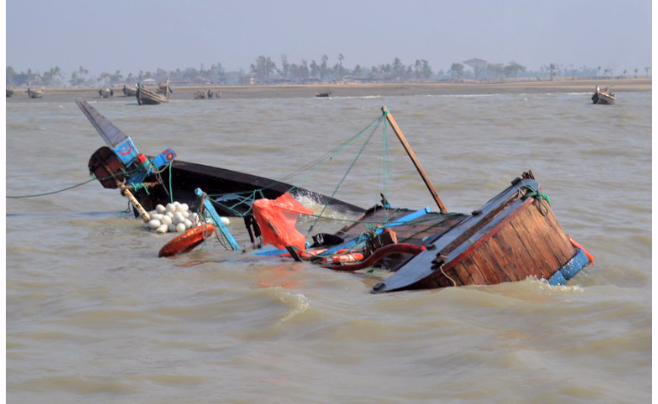

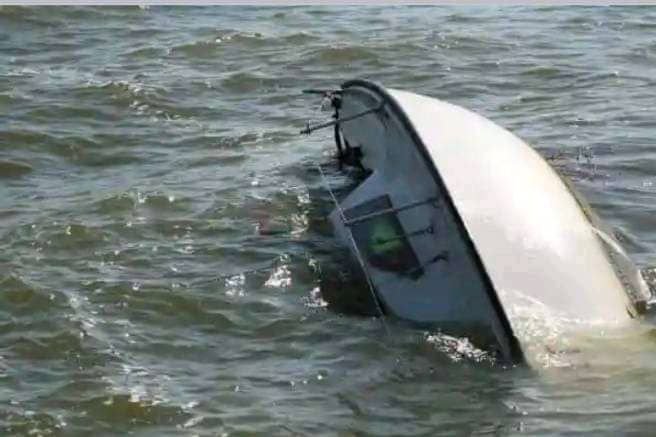

A rubber boat overloaded with 55 desperate migrants capsized in the central Mediterranean on February 6, leaving 53 people dead or missing, the International Organization for Migration (IOM) reported Monday.
Libyan authorities rescued only two survivors — both Nigerian women — who now mourn profound personal losses amid one of the year’s deadliest sea tragedies.
The vessel departed from al-Zawiya, a northwestern Libyan coastal town, around 11 p.m. on February 5.
Roughly six hours later, it began taking on water and overturned north of Zuwara, according to accounts from the two rescued women.
IOM teams provided them with immediate emergency medical care after their rescue by Libyan coast guard forces.
One survivor grieved the death of her husband, who vanished in the chaos.
The other endured the unimaginable pain of losing both her infants to the cold, dark sea.
The boat carried migrants and refugees from various African countries, all hoping to reach Europe and escape hardship, conflict, or persecution.
This latest disaster pushes the 2026 toll on the central Mediterranean route to at least 484 deaths or disappearances, IOM data shows.
Smugglers continue to exploit Libya’s instability, packing vulnerable people — including families with small children — into flimsy inflatable craft ill-suited for rough winter seas.
The central Mediterranean remains one of the world’s most lethal migration corridors.
Overcrowded boats frequently founder, and many incidents go unreported when no survivors emerge to tell the story.
IOM officials stress that stronger search-and-rescue operations, combined with expanded safe and legal pathways to Europe, could prevent such recurring loss of life.
Human rights groups and the United Nations repeatedly urge governments to dismantle smuggling networks, improve conditions in Libyan transit points, and address root causes that drive people to risk everything on these perilous journeys.
For now, the Mediterranean claims more lives, and families across Africa wait for news that never comes.