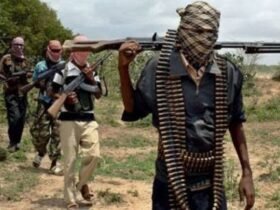

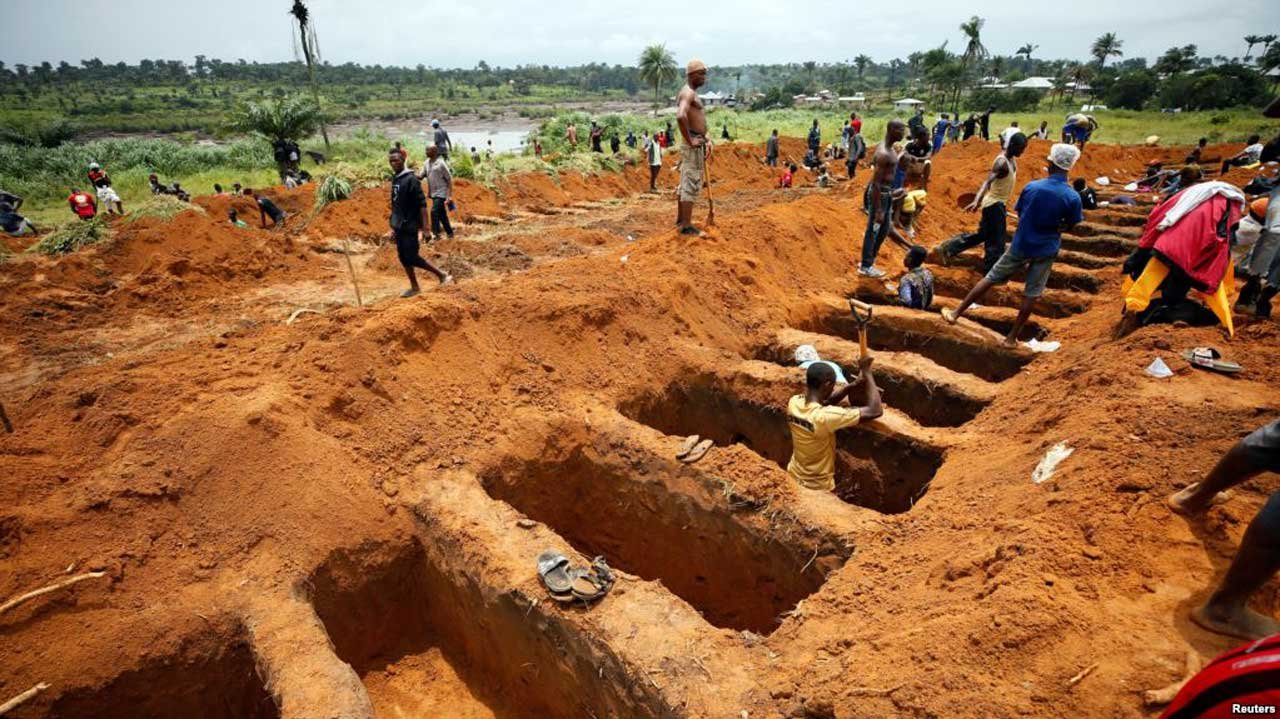

Terrorists unleashed a wave of carnage across Nigeria, targeting farmers in multiple states and leaving communities in ruins.
Exiled journalist Steven Kefas, founder of Middlebelttimes, tallied the grim toll at 321 deaths over a brutal 48-hour span ending February 5, 2026, labeling the attacks as genocide.
While independent verification of the aggregate figure remains elusive, confirmed reports from Kwara, Katsina, and Benue states paint a harrowing picture of coordinated violence that has deepened the nation’s security crisis.
In Kwara state’s remote villages of Woro and Nuku, terrorists struck first on February 3, rounding up residents, binding their hands, and executing them in cold blood.
Local lawmaker Mohammed Omar Bio reported at least 162 fatalities, with gunmen affiliated with the Islamic State-linked Lakurawa group slaughtering villagers en masse.
Witnesses described scenes of horror, including slit throats and bodies strewn across blood-soaked streets.
The Red Cross confirmed the scale of the massacre, noting it as one of the deadliest in recent months.
Survivors fled in panic, abandoning homes and farms, as security forces launched a belated search for the perpetrators.
Meanwhile, in northwestern Katsina state, terrorists rampaged through Doma village in the Faskari area on the same day, killing at least 13 people and torching houses and vehicles.
Police spokesperson Abubakar Sadiq Aliyu detailed how the attackers invaded under cover of darkness, firing indiscriminately and abducting several residents.
Amnesty International pegged the death count higher at 21, condemning the raid as part of a pattern of unchecked brutality in the region.
Local farmers, already grappling with land disputes and resource scarcity, now face heightened threats despite recent peace deals brokered between communities and armed groups.
Additionally, in central Benue state, terrorists ambushed farmers in the Abande community of Kwande Local Government Area, claiming at least 17 lives in a separate assault.
Community leaders reported that armed Fulani militants gunned down villagers harvesting yams and nuts, displacing hundreds more.
The attack followed a January incident where nine Christians perished in similar raids, underscoring the persistent farmer-herder clashes that have evolved into jihadist-driven terrorism.
A soldier and a policeman also fell in the crossfire, highlighting the strain on Nigeria’s overstretched military.
Netizens erupted in outrage on social media, decrying the insecurity under President Bola Tinubu’s administration.
One X user lamented, “This is genocide,” while others demanded accountability and an end to selective solidarity.
Kefas’s claim aggregates these and possibly other unreported incidents, including potential killings in Borno and Sokoto, where Islamist groups like Boko Haram and ISWAP maintain strongholds.
Nevertheless, experts warn that such violence threatens Nigeria’s food security, with the International Crisis Group estimating over 2,000 annual deaths from similar conflicts.
As authorities vow intensified operations, communities brace for more bloodshed, urging global intervention to halt the cycle of terror.